How to Build a Career in Fintech as a Non-Engineering Talent
You’ve probably heard this line before: “Fintech is where the cash flows.”
But what you might not hear enough is how that boom isn’t only for software engineers or data scientists sitting behind multiple screens writing code.
It’s also for the marketer trying to figure out how to make a payment product sound simple. For the product manager who’s been curious about building in a heavily regulated industry.
For the designer obsessed with user flows but wondering, “What exactly is KYC, and why does it matter?”
The truth is — fintech isn’t just about moving money.
It’s about trust, experience, and communication — the exact skills non-engineers already bring to the table.
And as financial products go global, companies are desperately looking for people who understand human behaviour as much as they understand product strategy. That’s where you come in.
Working in Fintech without Experience in Finance or Engineering
At Treford, we’ve seen this play out first-hand — smart, curious professionals from marketing, operations, and design backgrounds stepping into fintech roles they once thought were off-limits.
Some started with zero experience in financial products; what changed wasn’t just their knowledge, but how they began to see the system differently.
They learned how payments flow, what compliance really means and how to turn user research into products people trust with their money.
So before you go signing up for random courses or overhauling your CV, let’s break this down properly — what fintech really is, where you fit in, and how to start moving with intention.

Fintech Beyond the Tech Ecosystem Buzz: What It Really Means
Fintech is what happens behind that instant transfer: the systems, regulations, user flows, and design decisions that make money move securely and smoothly.
It’s the reason your card works when you tap it at a store. It’s the invisible bridge between financial institutions, customers, and technology—all working in sync.
But here’s what many people miss: Fintech is just as much about trust and experience as it is about technology.
Think about it:
Would you use a finance app that looks confusing or crashes often?
Would you trust a savings product that can’t explain how your money grows?
That’s why behind every successful fintech product, there’s a mix of people—product managers, UX designers, marketers, and data folks—who make sure the tech actually makes sense to humans. So when we say “fintech,” we’re not just talking about the tech.
We’re talking about the intersection of money, design, communication, and psychology — the part where non-engineers quietly run the show.
Career Opportunities in Fintech for Non-Engineering Professionals
When people think fintech talent, they picture developers building APIs or engineers fixing bugs in payment gateways. But take a closer look at any fintech success story, and there’s always a quiet army of non-technical professionals making things click.
Because what makes fintech work isn’t only technology. It’s trust, clarity, and adoption—and those are powered by humans who understand customers, not just code.
Think about the last time you tried a new banking app. The moment you hesitated wasn’t because of the backend—it was probably the confusing copy, poor onboarding flow, or lack of a clear explanation of fees.
That’s the non-technical layer that decides whether people stay or bounce. That’s why startups today don’t just want engineers—they want teams that think like builders.
Fintech companies need you, the communicator, the strategist, the storyteller, who can bridge business goals with customer realities.
The Most In-Demand Non-Engineering Roles in Fintech
1. Product Management
Every fintech product needs someone who understands why it exists, not just how it’s built. Product managers shape vision, prioritize features, and make trade-offs between regulation, user needs, and tech capacity.
If you’ve ever juggled multiple stakeholders, mapped a process, or led a project from chaos to clarity, you’re already halfway there.
Core skills: critical thinking, user empathy, communication, and comfort with data dashboards.
Tool stack: Notion, Jira, Miro, Figma, Amplitude.
2. Product Marketing
The bridge between product and people. Fintech marketers craft the story that earns trust because if customers don’t understand a product, they won’t use it.
They drive positioning (“Why should anyone care?”), launch strategies, and retention campaigns. It’s storytelling backed by analytics.
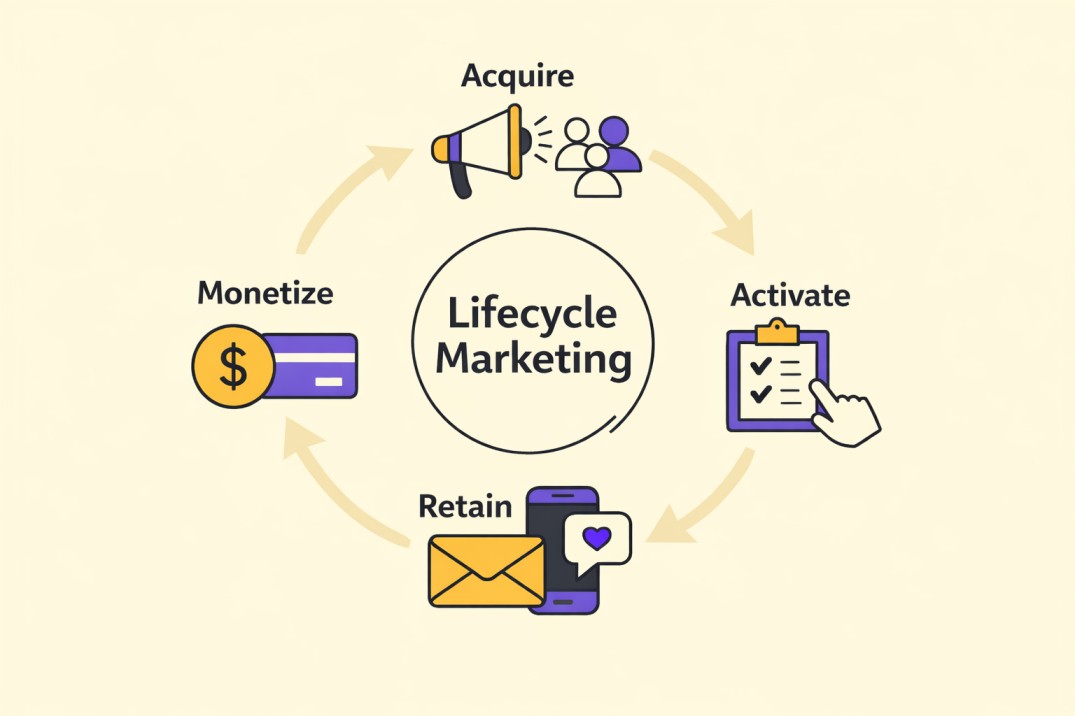
Core skills: messaging, go-to-market planning, lifecycle marketing, experimentation, storytelling,
Tool stack: HubSpot, Customer.io, Google Analytics, Mixpanel.
3. UX / UI Design
Money is emotional, and design is how fintech earns confidence. Designers simplify the complex, translating compliance-heavy flows into easy screens.
Think of your favourite wallet app or savings dashboard; the trust you feel is half good UX, half brand clarity.
Core skills: user research & UX strategy, interaction design, visual & UI design, prototyping, information architecture
Tool stack: Figma, FigJam, Maze, Hotjar.
4. Data Analytics & Insights
Behind every successful fintech product is a data team spotting trends before customers even notice them. They answer questions like:
Which users are likely to churn?
Which feature drives the most revenue?
Core skills: SQL, storytelling with data, and knowing what metric actually matters.
Tool stack: Looker Studio, Power BI, Tableau, Google Sheets, Excel.
5. Compliance, Risk & Operations
Fintech lives and dies by regulation. Risks and compliance professionals make sure innovation doesn’t cross legal lines. They design internal checks, manage partnerships, and ensure smooth back-office processes.
Core skills: regulatory knowledge, structured communication, analytical & investigative thinking, risk assessment
Tool stack: KYC / Identity Verification tools, AML & Transaction Monitoring tools, Case Management tools, Sanctions & PEP Screening tools
6. Customer Success & Support
Fintech customer support teams are not just support agents. They’re information hubs, issue detectives, educators, and product insight machines. They keep customers confident. They keep product teams informed.
They keep the company grounded in reality: what users feel, where they struggle, and what needs to be fixed.
Core skills: empathy, product knowledge, clear communication, documentation discipline and problem-solving.
Tool stack: Intercom, Freshdesk, Notion, Loom, Fraud / Risk Collaboration Tools.
7. Sales
Sales in fintech isn’t the “cold call warrior” stereotype. It’s a mix of consulting, product explanation and relationship building, especially in fintech, whose customer base comprises businesses like SMEs, enterprises, banks, regulators, and merchants). They don’t buy emotional stories; they buy clarity and trust.
Core Skills: deep product understanding, storytelling with data, consultative selling, negotiation & pricing strategy, relationship building, pipeline & CRM discipline, communication & presentation skills.
Tool Stack: Salesforce, HubSpot, Zoho CRM, Loom, LinkedIn Sales Navigator
How to Transition into Fintech (Even If You Don’t Code)
Fintech might look too technical from the outside, which it is. But once you understand the flow of money and the flow of work, the path becomes clearer. If you’re considering building a career in the fintech industry, you don’t need to reinvent yourself overnight; you just need to translate what you already know into the fintech context.
Let’s break it down step by step:
1. Understand the Fintech Ecosystem
Start by learning how fintechs actually make money and operate. Not every company does payments, some focus on lending, wealth management, insurance, or infrastructure. The deeper you understand the model, the smarter your transition decisions.
Where to start:
- Follow tech media platforms like TechCabal, TechPoint, etc, for news about fintech companies.
- Read case studies of African and global fintechs (e.g., Flutterwave, Paystack, Chipper Cash, Revolut).
- Attend webinars or join communities like Treford Learners Community where people in fintech share lessons and resources.
2. Pick a Transferable Role
Don’t chase random job titles; start from what you already do well in another industry.
- If you’re a marketer, think growth, retention, communication in a regulated space.
- If you’re a designer, think trust, accessibility, and clarity for complex financial decisions.
- If you’re a project or ops person, think process, compliance, coordination across systems.
Fintech needs those exact skills, just tuned to a new environment.
Pro Tip: Revamp your CV or resumé and portfolio to highlight impact metrics: growth, adoption, engagement and efficiency, not just tasks.
3. Upskill Intentionally
You don’t have to take every course under the sun; Just pick the ones that genuinely close your skill gap.
For example:
- Marketers → take Product Marketing in Fintech or Lifecycle Marketing programs.
- Project Managers → explore Fintech Product Management to learn about APIs, compliance, and data flow.
- Analysts → learn SQL, Looker Studio, and finance basics.
4. Build Proof, Not Just Knowledge
Fintech hiring managers love seeing evidence of initiative — mini projects, mock case studies, or portfolio work.
You can:
- Analyse a fintech app and write a teardown.
- Create a user journey map for onboarding.
- Draft a go-to-market plan for a fictional feature.
It shows that you don’t just know the space — you think like someone in it.
5. Invest Time in Networking
The fintech world is small — most opportunities circulate through relationships. Join product, marketing, or data Slack/WhatsApp groups. Attend fintech meetups or webinars. Comment meaningfully on LinkedIn posts by fintech professionals.
Don’t just say “I’m looking for roles.” Say what kind of value you want to bring.
What Recruiters and Hiring Managers Really Look For in Talent
There’s a small myth people carry around about fintech jobs — the idea that you need to have “fintech experience” before you can even get in the door.
But that’s not how most hiring managers think.
When Wale Ajiboye, a senior Scrum master and fintech professional who’s worked with NIBSS, Carbon, and First Bank, spoke during our session, he put it plainly:
“Recruiters aren’t hiring people because they scream, ‘I want to work in fintech.’ They’re hiring people because they can see the value this person brings to the room.”
1. Clear, transferable value — not the jargons
Wale said it best:
Don’t make it about fintech. Make it about the value you’re bringing. Hiring managers want people who can think, build, analyse, communicate, and solve problems — not people who are fixated on the brand name “fintech.
If you can show how your current skills plug into payments, customer experience, risk, growth, product, or operations… you’ve already become more hireable than half the people applying.
Fintech moves fast. Hiring managers look for people who show initiative through self-learning, building small projects, signing up for courses, and experimenting.
2. A Problem-Solving Mindset, Not Just Fancy Titles
You could be a “Senior Marketing Executive” or a “Growth Manager” — the title doesn’t matter as much as what you’ve solved. Fintech teams love people who can break messy problems into structured solutions:
- “How do we reduce failed transactions?”
- “How do we get users to trust a new payment product?”
Even if you haven’t worked in fintech before, recruiters want to see that you think like a builder — that you ask smart questions and connect dots between product, user and revenue.
3. Grit, consistency, and effort
This was one of Wale’s strongest points. There’s no magic formula. No secret shortcut. People who get in are the ones who keep showing up — building, networking, applying, improving.
Fintech rewards people who are hungry enough to keep trying.
4. Connections inside the ecosystem
A good number of opportunities come through people who already work in fintech. Olawale advised to: attend conferences, join communities, show up at events, connect with people. It’s not about forcing conversations — it’s about being visible in the spaces where opportunities happen.
“If someone inside thinks you’re credible, you’ve just skipped half the recruitment hurdles”.
5. Willingness to start small (even with internships)
A lot of today’s fintech professionals didn’t enter through senior roles.
They started with internships, junior positions, part-time roles, or even volunteering on short-term projects just to get that first “yes.”
Once you’re in, you’re in.
6. Apply with Context
When applying for fintech roles, tailor your approach. Mention what fintech excites you — financial inclusion, digital payments, cross-border transactions. Show that you understand not just what the company does, but why it matters.
You already have more transferable skills than you think. You just need to learn how the system works, then plug yourself right in. We published recently an article on understanding the fundamentals of payment system in fintech.
Where to Build the Required Skills for the Fintech Industry
Fintech companies doesn’t hire degrees. They hire:
- curiosity
- initiative
- clarity of value
- exposure
- and consistency
If you can show those five things, you’re already more “qualified” than you think.
And if you need help understanding the ecosystem — payments, KYC, risk, APIs, compliance, user trust, and how fintech products actually work, Treford has built learning paths specifically for people transitioning from non-fintech backgrounds.

If you’re reading this and thinking, “I actually want to understand this space better,” you’re not alone.
That’s exactly why we built our fintech learning programs at Treford — simple, practical, and built for people transitioning from non-fintech backgrounds.
If you’re looking for a clear, practical path to explore career opportunities in fintech, Treford’s fintech courses are a great place to start.